Topic 01
Insulation materials
Batts, loose-fill, mineral wool, and spray foam each behave differently. Thermal resistance is described by RSI in Canada (and the imperial R-value), measuring how well a material slows conductive heat flow.
Home Energy Efficiency · Canada
An informative overview of weatherproofing, insulation materials, and the everyday building details that reduce household energy loss across Canada's cold-climate regions.
Last updated: June 3, 2026

Core topics
In a heating-dominated climate, most household energy goes toward keeping indoor air warm. Heat escapes through the building envelope: the roof, walls, windows, and the many small gaps where air leaks. These notes group the subject into three practical areas.
Topic 01
Batts, loose-fill, mineral wool, and spray foam each behave differently. Thermal resistance is described by RSI in Canada (and the imperial R-value), measuring how well a material slows conductive heat flow.
Topic 02
Insulation slows conduction, but uncontrolled air leakage carries heat and moisture directly through gaps. Weatherstripping, caulking, and sealing penetrations work alongside insulation rather than replacing it.
Topic 03
Glazing is usually the least insulating part of a wall. Double and triple glazing, low-emissivity coatings, and gas fills reduce the heat that passes through window assemblies in winter.
Why it matters in Canada
Across much of Canada, the heating season is long and temperatures stay well below freezing for weeks at a time. The larger the gap between indoor and outdoor temperature, the faster heat moves outward, so the performance of insulation and air barriers is more noticeable here than in milder climates.
The National Building Code of Canada and provincial codes set minimum thermal requirements for new construction, and these are typically expressed as effective RSI values for roofs, walls, and foundations. Existing homes, especially older ones, often fall short of current expectations, which is why retrofits focus on attics, basements, and air leakage first.

Quick reference
A few terms recur throughout these articles. They describe how materials and assemblies are measured rather than endorsing any specific product.
Articles
Three focused articles cover the topics above with specific materials, Canadian context, and references to publicly available sources.

Insulation materials
How attic insulation types compare, why the attic is usually the first retrofit, and ventilation considerations in cold climates.
Read article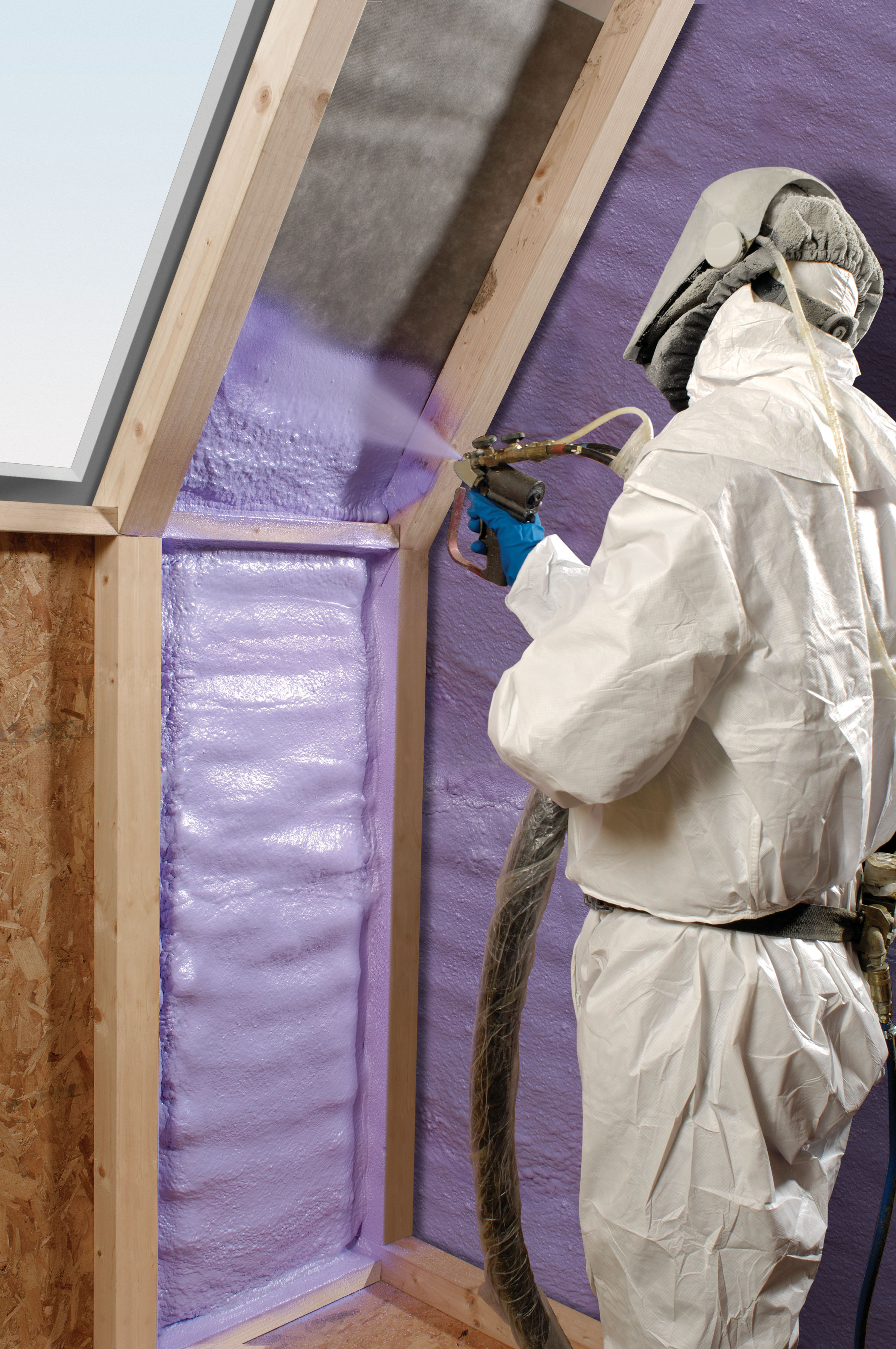
Air sealing
Where air leaks occur, how weatherstripping and caulking address them, and the role of the air barrier in the wall assembly.
Read article
Windows
How glazing layers, coatings, and frames affect winter heat loss, and what the labels on window assemblies describe.
Read articleContact
Teksolari is an editorial reference site. If you notice an inaccuracy or want to suggest a source, the details below are the published points of contact.
Send a message