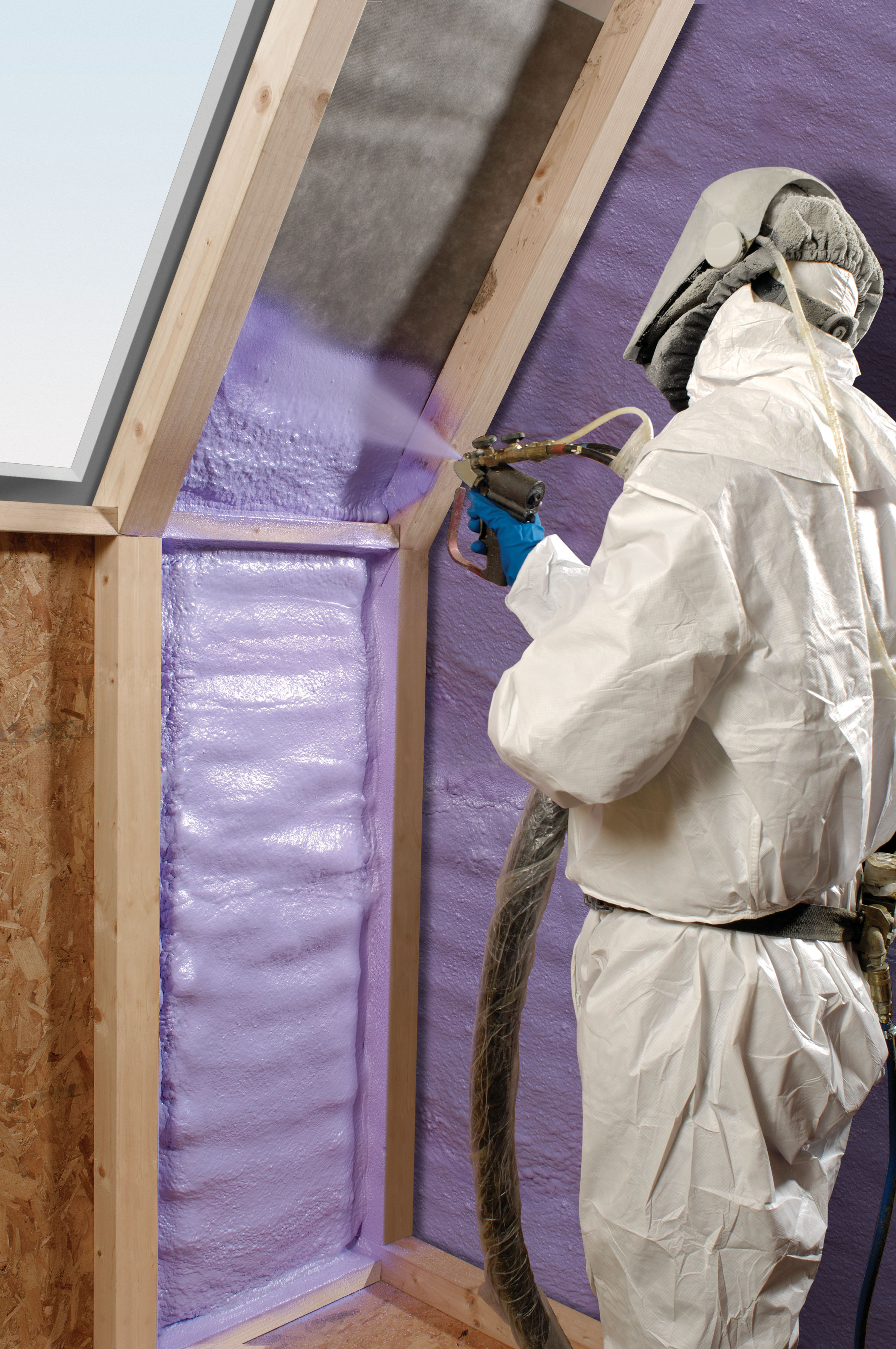
A house exchanges air with the outside in two ways: deliberate ventilation and uncontrolled leakage. Leakage rises in winter because warm indoor air is buoyant and pushes out through upper gaps while cold air is drawn in lower down, an effect often called the stack effect. The taller and warmer the house relative to outside, the stronger this pressure.
Where leaks usually occur
Air leakage is rarely concentrated in one place. It accumulates from many small openings spread across the envelope.
- Gaps around window and door frames.
- Penetrations for plumbing, wiring, and exhaust ducts.
- The joint between the foundation and the framing above it.
- Attic hatches, recessed lights, and ceiling fixtures.
- Electrical outlets on exterior walls.
Materials that close the gaps
Weatherstripping
Weatherstripping seals the moving joints around operable doors and windows. Foam tapes, V-strips, and door sweeps each suit different gaps, and they wear over time, so periodic replacement is part of maintenance rather than a one-time fix.
Caulking and sealants
Caulk closes fixed joints that do not move, such as the seam where a window frame meets the wall. Different formulations suit interior trim, exterior cladding, and high-movement joints, so matching the product to the location matters.
Moisture travels with air
Indoor air in winter holds moisture from cooking, washing, and breathing. When that air leaks into a cold cavity, it can cool below its dew point and deposit water where it is hard to dry. This is why air sealing and ventilation are considered together: tightening a house without adequate fresh-air ventilation can raise indoor humidity, so balanced ventilation is often part of the same conversation.
A measured approach
- A blower-door test pressurises or depressurises the house to locate and quantify leakage.
- Sealing the largest, highest leaks tends to give the most noticeable result.
- Ventilation is reviewed alongside sealing so indoor air quality is maintained.
Because sealing changes how a house breathes, it is sensible to involve an energy advisor or contractor familiar with local conditions. The same envelope thinking extends to glazing, covered in windows and household heat loss.